The Smart Report: Ossipee Lake Ice-Out 2019April 27, 2019|Bob Smart|Smart Report|0 CommentsThis year's ice-out was at 7 p.m. last night, April 26. This the second year I have established the date after Ossipee's Parks and Recreation Department discontinued the long-standing practice. Winter is over. Black fly season is in the wings.
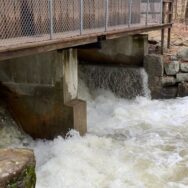
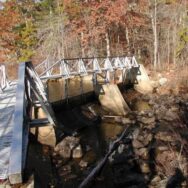
Contractors Tour Dam Project SiteApril 23, 2019|David Smith|Alliance Report|1 CommentDespite continued funding uncertainties, five potential bidding contractors attended a DES-hosted meeting at the site to assess the project. Bids are due on May 3rd.
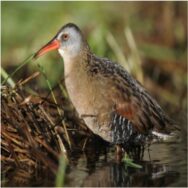
Virginia RailsApril 17, 2019|Dave Eastman|Alliance Report|0 CommentsFamously secretive, rails are usually heard rather than seen. But this is the time of year when you might spot one, and the best place to try is just a few miles from the lake.
Tom Beeler, 1944-2019April 14, 2019|David Smith|Alliance Report|0 CommentsAmong the many newspaper men and women we've met in our 16 years, Tom Beeler held a special place for us.
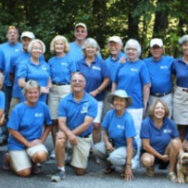
Paid Lake Host Positions Up for GrabsApril 11, 2019|David Smith|Uncategorized|7 CommentsWant to be a Lake Host on Ossipee Lake this year? Starting this week, you can apply for one of a handful of paid positions in which you will be on the front lines of one of Ossipee Lake's most important environmental initiatives while spending time in the summer sun.